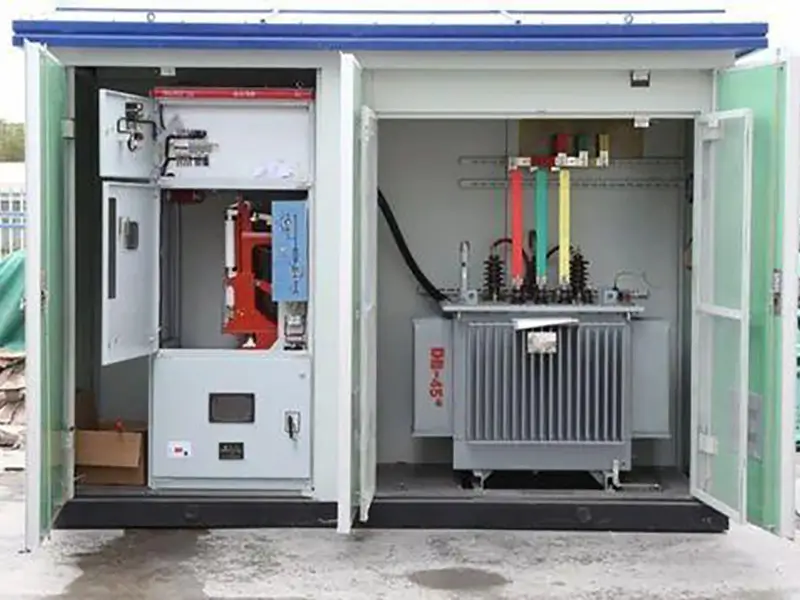
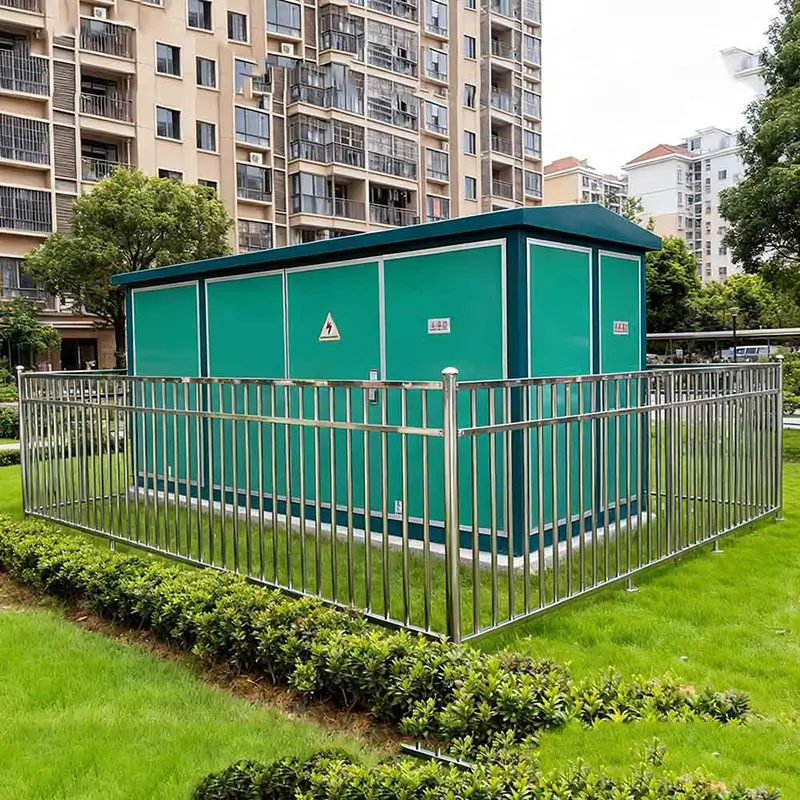
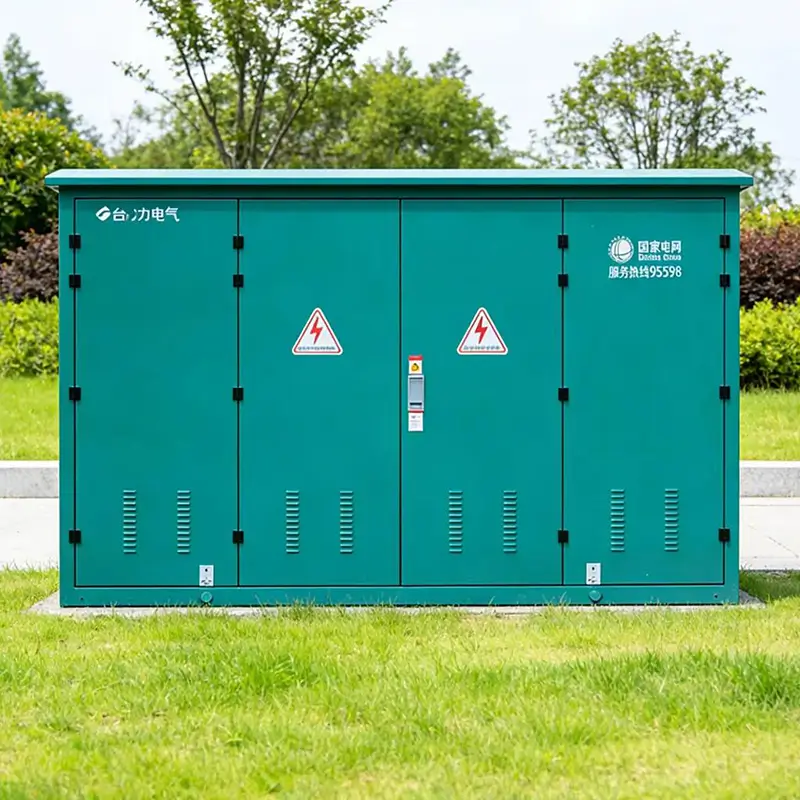
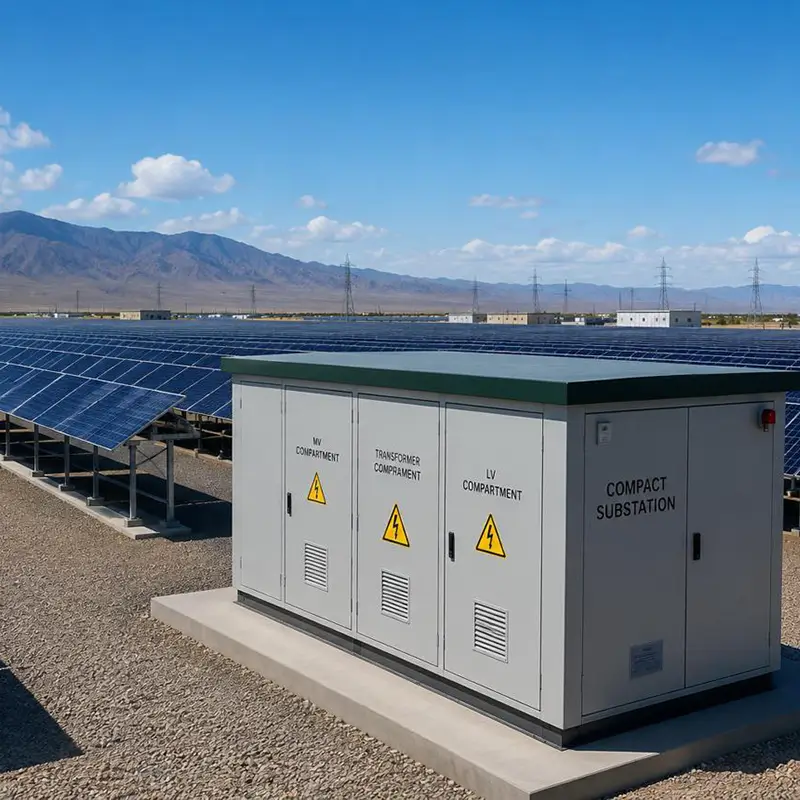
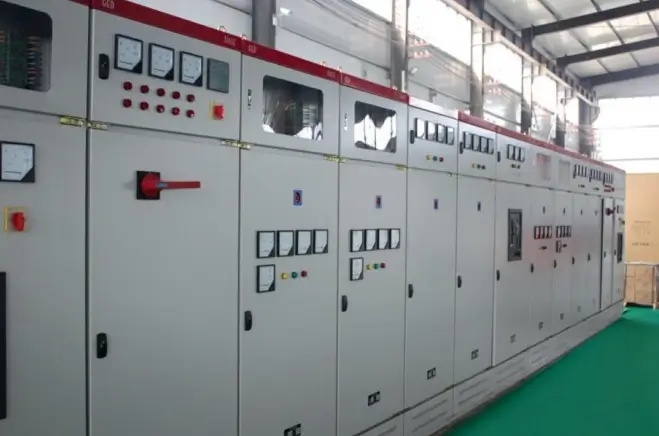
Combining medium voltage switchgear, a distribution transformer, and low voltage switchgear in one integrated unit, our compact substations are designed for industrial facilities, commercial buildings, renewable energy projects, and utility distribution networks.
Compact Substation
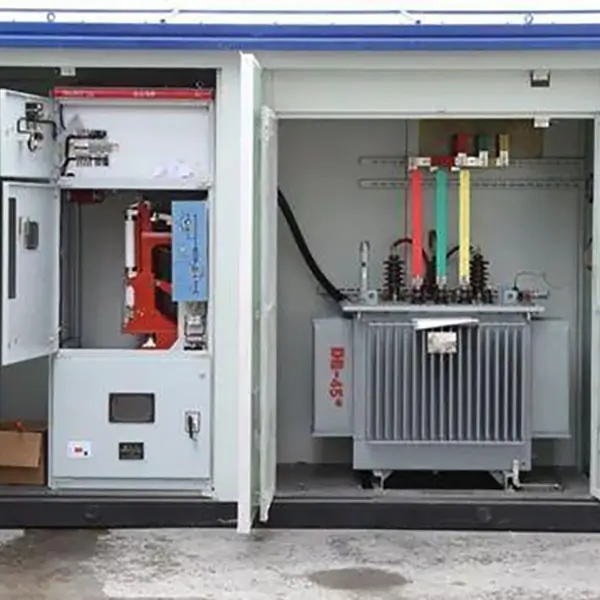
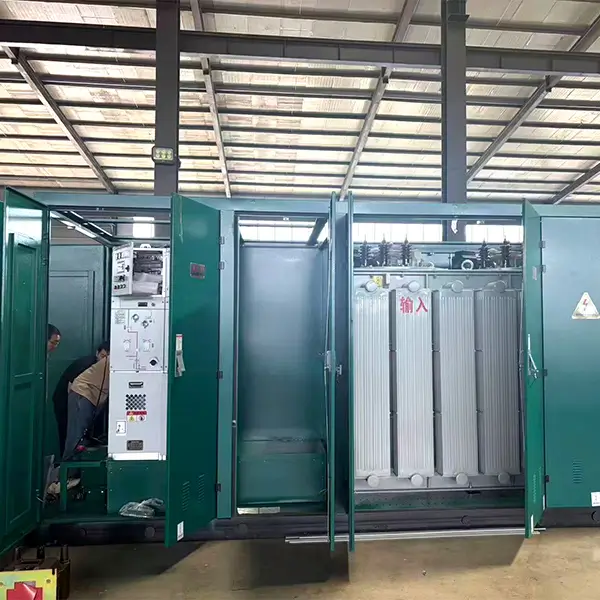
A compact substation, commonly referred to as a “box-type substation”, is technically termed a Prefabricated Substation or Compact Substation. It is a factory‑prefabricated, compact complete power distribution equipment that integrates high‑voltage switchgear, distribution transformers, low‑voltage distribution devices, and other components according to a specific wiring scheme.
High degree of integration, compact size, and small footprint (for the same capacity, it occupies only 1/5 to 1/10 of the area of a traditional civil‑construction substation).
Can be located close to load centers, thereby reducing line losses.
Factory prefabrication shortens the on‑site construction period.
Main Components
A Complete Power Distribution Assembly
Medium Voltage Switchgear
Provides switching, isolation, and protection functions according to the selected switchgear design and system requirements.
Distribution Transformer
Steps medium voltage down to the required low voltage level. Oil-immersed and dry-type transformer options may be available depending on the design.
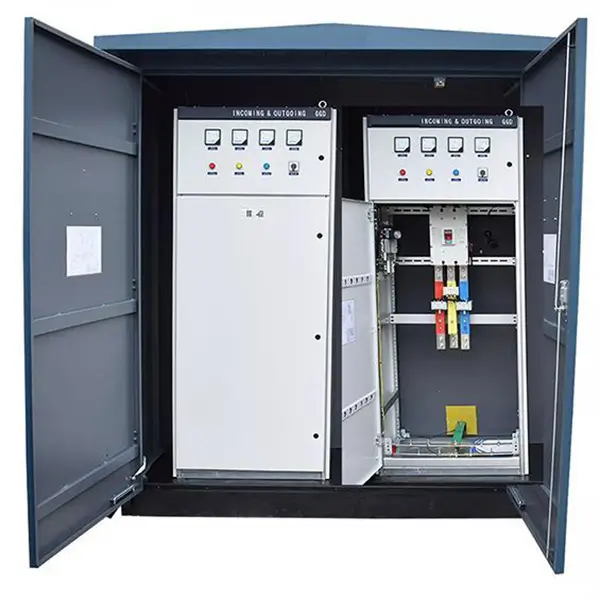
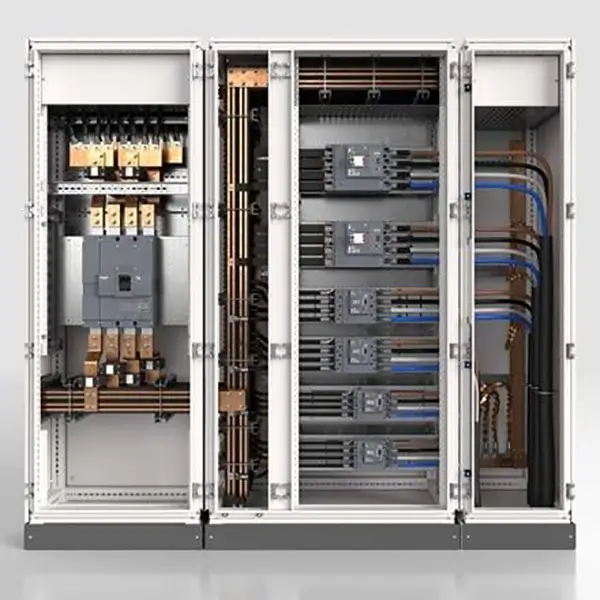
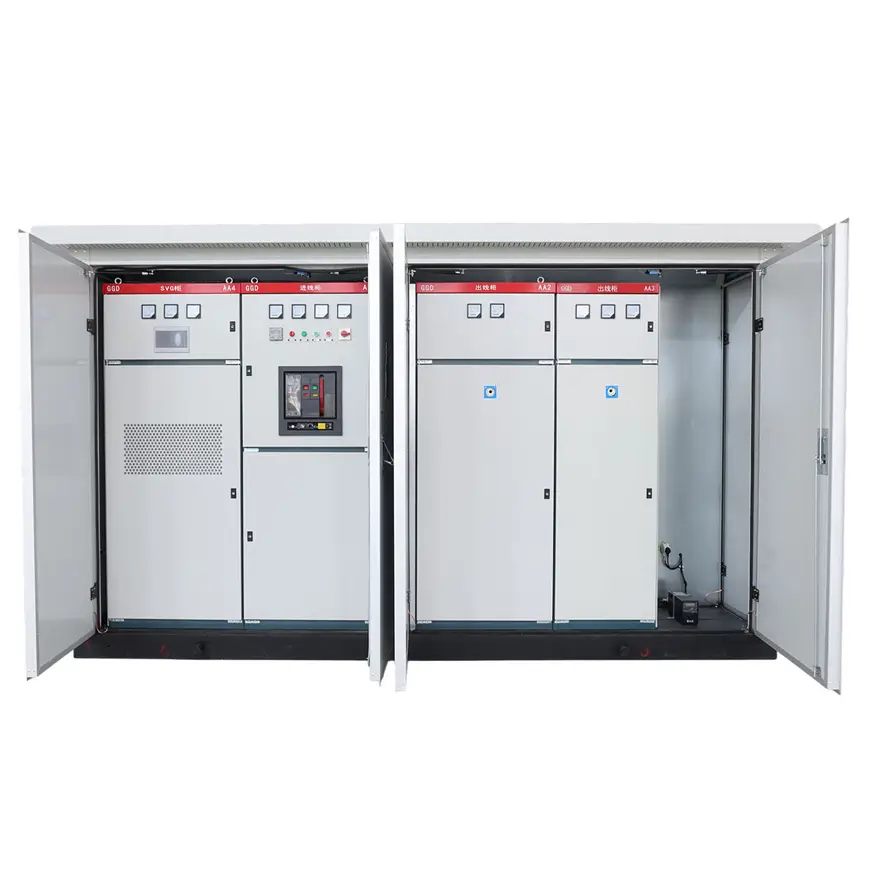
Low Voltage Switchgear
Distributes outgoing power through the specified circuit breakers, busbars, metering devices, and protection equipment.
Enclosure and Auxiliary Systems
Can include enclosure structure, ventilation, lighting, grounding, interlocking, temperature monitoring, and auxiliary power arrangements as required.
Product Types
Choose the Right Prefabricated Substation for Your Project
XGN2 Type Modular High Voltage Switchgear
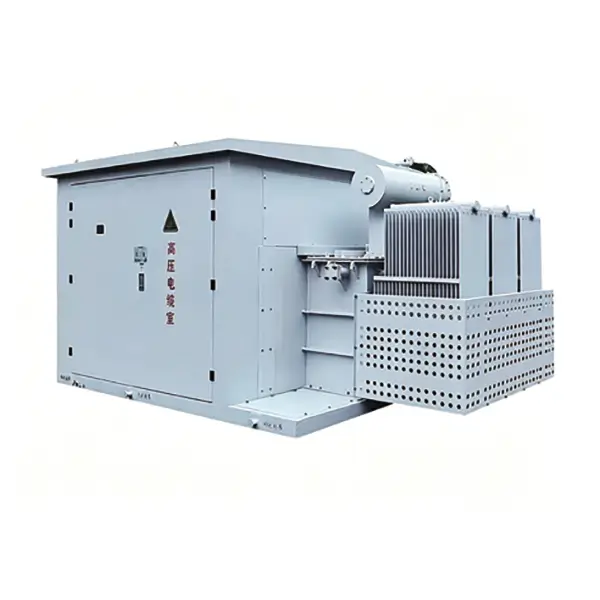
Compact Substation
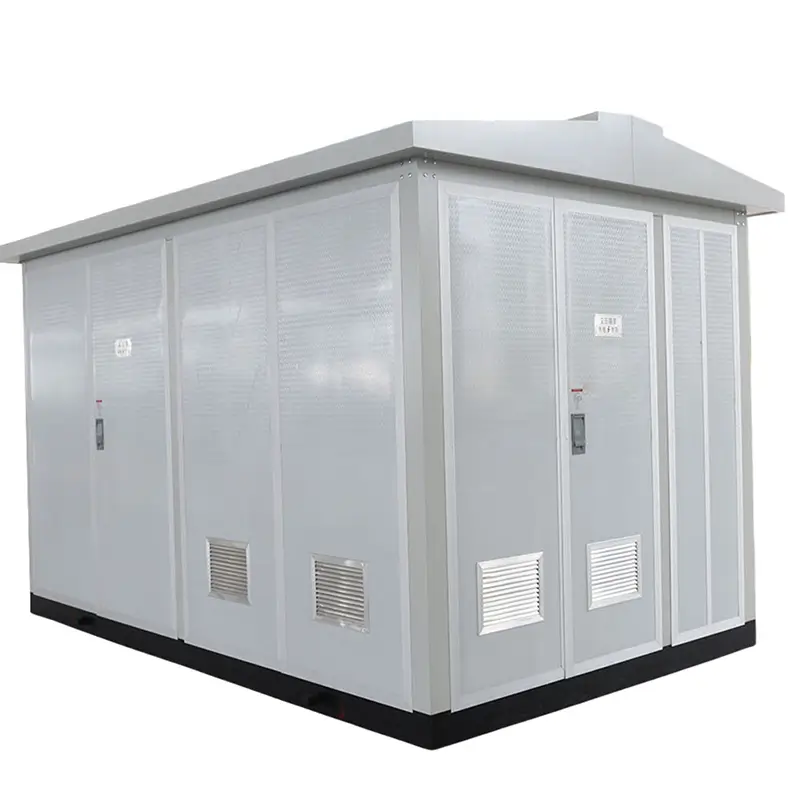
Prefabricated Substation
package substation
Technical Specifications
The following values are indicative configuration options for preliminary project discussion. Final ratings and dimensions depend on the selected design and applicable standards.
Parameter
Typical Options
Rated Capacity
100 kVA–3,150 kVA or project-specific
Medium Voltage
6 kV, 10 kV, 11 kV, 20 kV, 33 kV options
Low Voltage
400 V, 415 V, 433 V or specified voltage
Frequency
50 Hz / 60 Hz
Transformer Type
Oil-immersed / dry type, subject to design
MV Switchgear
RMU, load-break switch, circuit breaker or specified arrangement
LV Switchgear
Distribution panel with specified breakers and metering
Enclosure Material
Coated steel, stainless steel, or other specified material
Enclosure Protection
IP rating selected according to design and applicable requirements
Cooling and Ventilation
Natural or forced ventilation, depending on thermal design
Installation
Outdoor or project-specific installation
Applicable Standards
IEC 62271-202, IEC 60076, and other applicable standards as agreed
Applications
Industrial Plants
Integrated power distribution for factories, manufacturing facilities, warehouses, and industrial parks.
Commercial and Residential Developments
Power distribution solutions for office complexes, shopping centers, residential communities, and mixed-use developments.
Renewable Energy Projects
Prefabricated substation configurations for solar power plants and other renewable energy systems, based on grid connection requirements.
Utility and Infrastructure
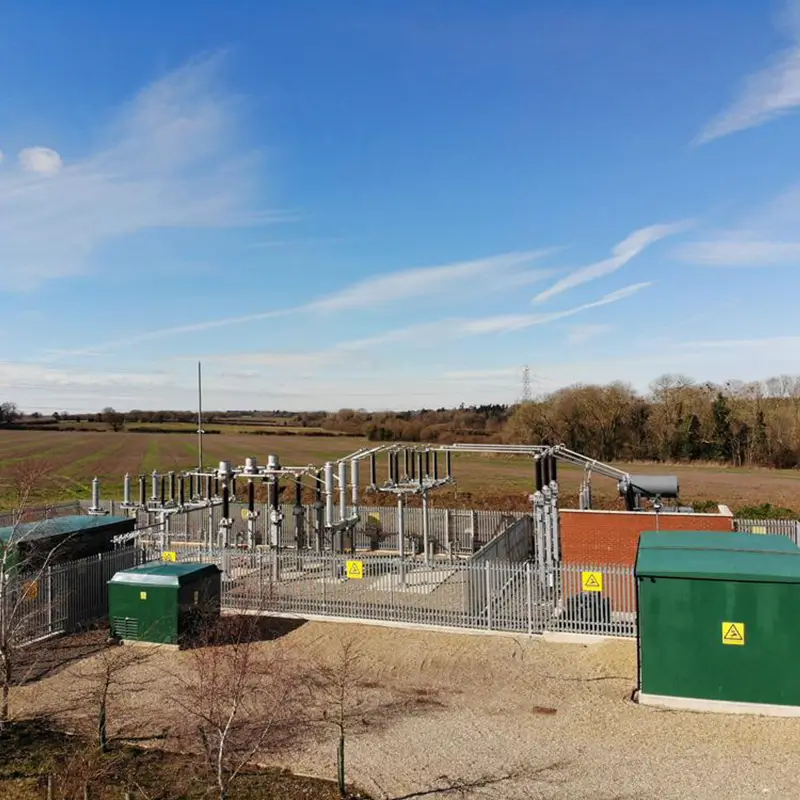
Integrated power distribution for public infrastructure, rural electrification, transport facilities, and utility networks.
Manufacturing & Quality Control
A reliable prefabricated substation requires coordinated design, component compatibility, controlled assembly, and appropriate testing.
Technical Review — Confirm the single-line diagram, voltage levels, rated capacity, protection requirements, and site conditions.
Component Inspection — Verify the transformer, switchgear, breakers, busbars, and accessories against approved specifications.
Assembly and Wiring — Inspect electrical connections, busbar installation, grounding, cable routing, and interlocking arrangements.
Electrical Testing — Conduct applicable component and assembly tests according to the design and agreed standards.
Final Inspection and Packing — Review labels, drawings, accessories, documentation, and shipment preparation.
Frequently Asked Questions
A compact substation is an integrated electrical assembly that typically combines medium voltage switchgear, a distribution transformer, and low voltage distribution equipment within a compact enclosure.
The terms often overlap in commercial use. A compact substation generally emphasizes a space-efficient integrated arrangement, while a prefabricated substation emphasizes factory assembly and testing before delivery. The exact definition depends on the applicable standard and product design.
Depending on the product configuration, either option may be available. Selection should consider installation conditions, fire-safety requirements, maintenance practices, footprint, and project specifications.
Yes, subject to the available design range and engineering review. Medium voltage, low voltage, transformer capacity, switchgear configuration, and protection functions can be specified for the intended application.
Many designs are intended for outdoor use. The enclosure protection rating, ventilation, corrosion resistance, ambient temperature range, and other environmental requirements must be confirmed for the installation site.
Please provide the rated capacity, medium and low voltage levels, frequency, single-line diagram, switchgear requirements, installation environment, quantity, destination country, and applicable standards.